 Reviews

 Proudly American

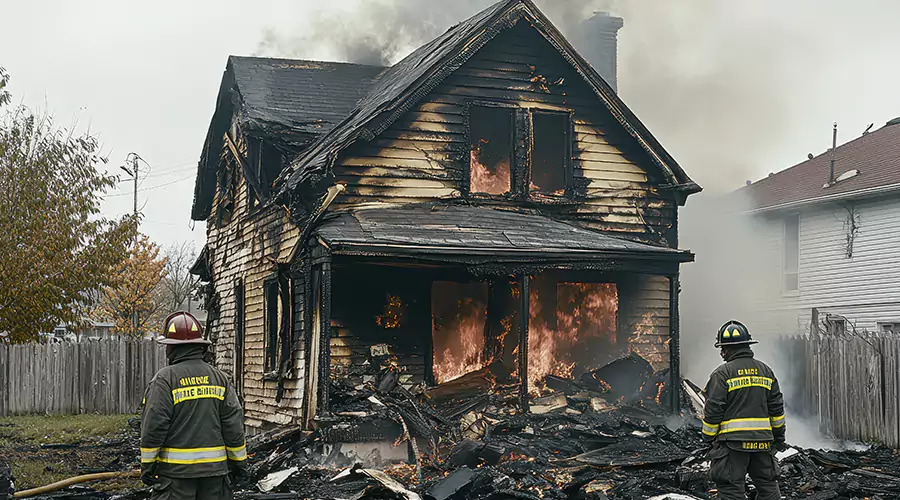
Smoke odor can stay in a home long after a fire is put out. Even if the burned materials are removed and the visible soot is cleaned, the smell may continue to linger in walls, furniture, flooring, clothing, cabinets, vents, and hidden spaces. This can be frustrating for homeowners because the house may look cleaner, but it still smells smoky.
Smoke odor stays because smoke is made of tiny particles and gases that can travel throughout the property. These particles settle on surfaces and absorb into porous materials. Once trapped, they can release odor again and again, especially when indoor humidity or temperature changes.
Understanding why smoke odor stays in a home after a fire can help homeowners know why professional smoke damage cleanup and odor removal are often needed.
Why Smoke Odor Is Hard to Remove
Smoke odor is difficult to remove because it does not stay only in the room where the fire started. Smoke can move through hallways, vents, open doors, attic spaces, wall gaps, closets, and HVAC systems. It can settle in areas that may not look damaged.
The odor also depends on what burned. Wood, plastic, fabric, food, grease, paper, rubber, and synthetic materials all create different smoke residues. Some residues are dry and powdery. Others are oily, sticky, or acidic. This is why regular cleaning does not always remove the smell.
Smoke Particles Settle Into Porous Materials
Porous materials absorb smoke odor more easily because they have tiny openings where particles can enter. Once smoke gets into these materials, surface cleaning may not reach the source of the smell.
Smoke odor can become trapped in:
- Drywall
- Carpet and padding
- Upholstered furniture
- Curtains and bedding
- Wood framing
- Cabinets
- Clothing
- Mattresses
- Insulation
- Paper and books
If these materials are not cleaned, deodorized, or removed when needed, the odor can remain for weeks or months.
Soot Residue Keeps Producing Odor
Soot is the black or gray residue left after materials burn. It may look like dirt, but it is more difficult to clean. Soot can be oily, sticky, acidic, or powdery depending on the fire.
If soot remains on walls, ceilings, trim, cabinets, vents, or belongings, it can continue producing a smoke smell. Wiping soot with a regular wet cloth can make the problem worse by smearing it into the surface.
Professional restoration teams choose cleaning methods based on the type of soot and material affected. This helps remove residue without spreading it deeper into surfaces.
HVAC Systems Can Spread Smoke Odor
Smoke can enter the heating and cooling system during a fire. If the HVAC system runs during or after the fire, it can pull smoke particles into vents, ducts, filters, and air returns. Later, when the system turns on, the smoke odor may spread through the home again.
Signs that smoke may be inside the HVAC system include:
- Smoke odor when the system starts
- Soot near vents
- Smoky smell in rooms far from the fire
- Dirty or smoky air filters
- Odor that returns after cleaning rooms
Homeowners should avoid running the HVAC system after a fire until it has been inspected. Using it too soon may spread smoke particles to cleaner areas.
Smoke Odor Can Hide in Cabinets and Closets
Cabinets, closets, drawers, and storage areas can hold smoke odor because they trap air inside. Even if the fire happened in another room, smoke can enter through small gaps and settle on clothing, towels, linens, dishes, boxes, and stored belongings.
The smell may become stronger when a closet or cabinet door is opened. This happens because odor particles were trapped inside and are released into the room.
Cleaning only open surfaces may not solve the problem. Enclosed spaces often need detailed cleaning and deodorizing.
Heat Can Push Smoke Deeper Into Surfaces
During a fire, heat can open pores in materials and push smoke residue deeper into surfaces. As the home cools, those particles can remain trapped. This is one reason smoke odor can stay even after basic cleaning.
Materials like wood, drywall, fabrics, and upholstery may absorb more odor when exposed to heat. If the fire burned hot or smoke stayed inside for a long time, odor removal may require more advanced restoration methods.
Water From Firefighting Can Make Odor Worse
Firefighting water can mix with smoke, soot, ash, and burned materials. This can create a damp smoky smell that is harder to remove. Wet materials can also hold odor longer and may develop musty smells if they are not dried quickly.
After a fire, water damage and smoke odor often need to be handled together. Drying the property properly is important because damp materials can trap odors and increase mold risk.
Why Air Fresheners Do Not Work
Air fresheners, candles, sprays, and scented cleaners only cover smoke odor temporarily. They do not remove soot, ash, smoke particles, or odor trapped inside materials.
The smell usually returns because the source is still present. True smoke odor removal requires cleaning affected surfaces, removing damaged materials when needed, improving air quality, and using professional deodorizing methods.
Covering the smell can also delay proper cleanup, which may allow smoke residue to cause more staining or damage.
Professional Smoke Odor Removal Methods
A fire damage restoration company can inspect the home and find where smoke odor is coming from. The process depends on the severity of the fire, the type of smoke, and the materials affected.
Professional odor removal may include:
- Smoke and soot inspection
- HEPA vacuuming
- Surface cleaning
- Content cleaning
- Air filtration
- HVAC and vent inspection
- Removal of damaged materials
- Sealing affected surfaces when needed
- Professional deodorizing treatments
Some jobs may require specialized equipment such as air scrubbers, hydroxyl generators, ozone treatment, or thermal fogging. These methods should be used by trained professionals because each situation is different.
When Smoke Odor Means There Is Hidden Damage
A lingering smoke smell may mean there is hidden fire damage. Smoke may be trapped behind walls, above ceilings, in insulation, inside vents, under flooring, or in attic spaces.
Homeowners should call for inspection if:
- The smell returns after cleaning
- Odor is strongest near vents
- Closets or cabinets smell smoky
- Soot appears on walls or ceilings
- Smoke smell spreads to other rooms
- Furniture and fabrics still smell after washing
- The HVAC system spreads odor
These signs may mean smoke particles are still inside the home.
What Homeowners Should Avoid
After a fire, homeowners should be careful with smoke cleanup. The wrong cleaning method can make odor and staining worse.
Avoid these mistakes:
- Do not wipe soot with a wet cloth
- Do not run the HVAC system too soon
- Do not use strong perfumes to cover odor
- Do not wash smoky clothes with regular laundry first
- Do not paint over smoke stains without proper cleaning
- Do not ignore odor in closets, vents, or cabinets
Taking the right steps early can make odor removal more successful.
Final Thoughts
Smoke odor stays in a home after a fire because smoke particles settle into porous materials, soot remains on surfaces, HVAC systems can spread residue, and heat can push odor deeper into walls, furniture, flooring, and fabrics.
A smoky smell should not be ignored, even if the fire was small. Professional smoke damage cleanup can help remove soot, clean affected materials, inspect hidden spaces, and treat odors at the source. Acting quickly gives homeowners the best chance of restoring a cleaner, safer, and more comfortable indoor space.